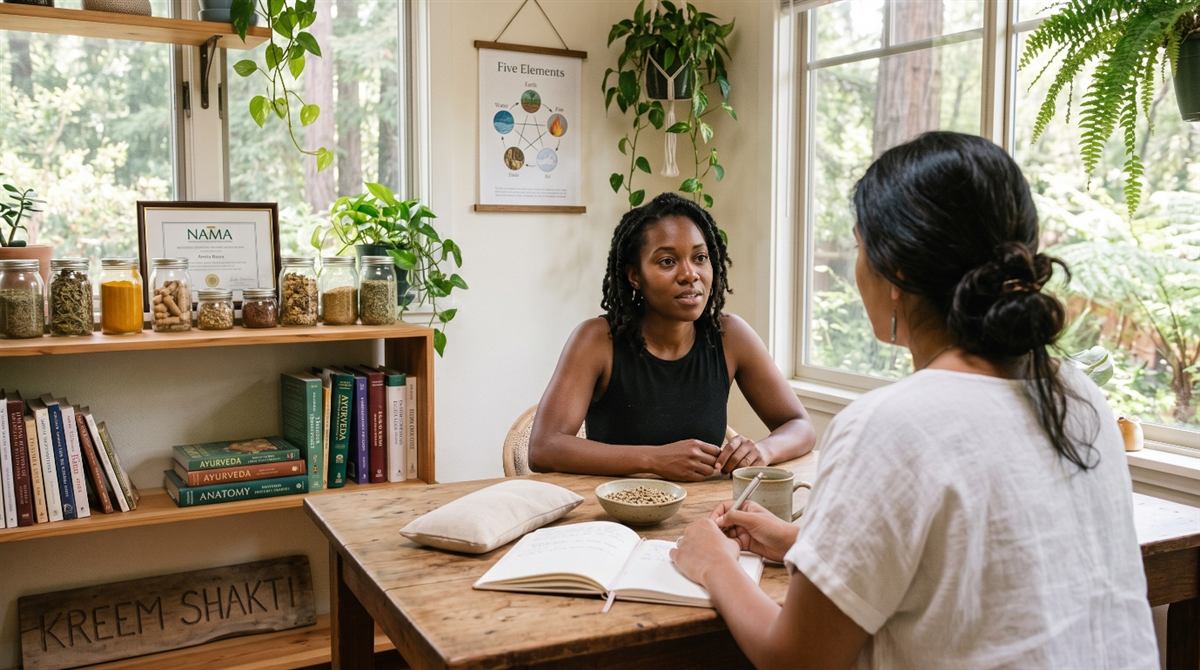
If you’ve typed “ayurvedic practitioner near me” into a search bar, you are probably curious and a little cautious at the same time. That’s a healthy mix – I would much rather you come with questions than not ask any. Ayurveda is a centuries-old system of wellness, and interest in it across the Bay Area has grown a lot.
But the field isn’t regulated the way conventional medicine is, so the quality of care can vary widely. In this guide, I’ll walk you through what to look for, what to ask and what to avoid, so you can book with confidence.
Why Choosing the Right Ayurvedic Practitioner Near Me Matters
Ayurveda looks at your whole life – digestion, sleep, stress, routines, seasons and the way your body tends to respond to things. A good practitioner listens closely and builds simple, practical suggestions around you. A poor fit can leave you with a generic list of herbs and a bill.
Because there is no state license for an ayurvedic practitioner in El Cerrito or anywhere else in the Bay Area, the person you choose is the quality control. A little homework up front saves you time, money and frustration.
Understanding Titles: Practitioner, Counselor or Doctor?
Titles can be confusing, especially if you’re searching for an ayurvedic doctor in Berkeley or Oakland. In the US, the word “doctor” usually points to a licensed MD or DO. Ayurvedic titles work differently:
- Ayurvedic Health Counselor: foundational training, focused on lifestyle and prevention.
- Ayurvedic Practitioner: deeper clinical training, able to assess your constitution and imbalances in more detail.
- Ayurvedic Clinical Specialist (Doctorate Level): the most advanced level, often reflecting extensive study, sometimes from an Indian degree program.
None of these is a state medical license, and that’s okay. It simply means Ayurveda in the Bay Area is meant to work alongside your regular healthcare, not replace it. A trustworthy practitioner will say so openly.
Credentials to Look For: NAMA and CAAM
The most reliable signal is membership and certification through the National Ayurvedic Medical Association (NAMA). NAMA sets professional standards for training and scope of practice in the US. Also look at where the practitioner studied – programs recognized by CAAM are a good sign that the education met recognized standards.
Beyond certificates, ask about hands-on experience. Clinical hours matter. So does a background in conventional healthcare, because it helps a practitioner spot when something needs a physician’s attention.
This is why my own background matters to me. At Kreem Shakti, I am NAMA certified, I bring an RN background and I have almost two decades in healthcare. That mix of traditional training and clinical grounding is the kind of combination worth looking for.
Questions to Ask Before You Book
Any good practitioner will be happy to answer a few questions before you commit. Try these:
- Which certification do you hold, and who trained you?
- How long is the first consultation, and what does it include?
- How do you work with people who are already seeing a doctor or taking medication?
- Do you recommend supplements or herbs, and where do they come from?
- What does follow-up look like?
Pay attention to how the answers feel. You want someone warm, clear and non-judgmental – not someone who rushes you or makes you feel behind.
Red Flags to Watch For
Walk away, or at least pause, if you notice any of these:
- Promises to “cure” a condition or guarantee results.
- Pressure to stop prescribed medication.
- A hard sell on expensive supplement bundles.
- No clear credentials, or vague answers about training.
- A one-size-fits-all plan with no real questions about you.
Ayurveda is about balance and support, not miracles. Any practitioner worth your time will encourage you to stay in touch with your physician.
In-Person vs Virtual: Ayurveda in the Bay Area
You have options. In-person visits suit people who like a more personal experience, and being local to El Cerrito, Berkeley, Oakland and Richmond makes that easy for ayurvedic care across the East Bay. Virtual consultations work beautifully when your schedule is packed, you live a bit farther out or you want follow-ups without the commute.
Neither is better. What matters is that your practitioner takes a thorough history either way – your routines, digestion, sleep, energy and stress. If a virtual visit feels like a five-minute chat, that’s a sign to look elsewhere.
What Does an Ayurvedic Consultation Cost?
Pricing varies by experience and session length. Initial consultations are often longer and cost more than follow-ups, and some practitioners offer packages. Ask for the fee up front, and find out whether herbs or products are billed separately. A transparent practitioner will lay all of this out before you book.
Start With What You Already Know About Yourself
Before your first visit, it helps to know your own tendencies. Our Dosha Quiz is a gentle starting point to explore your constitution and bring better questions to your consultation. It isn’t a diagnosis – just a conversation starter.
If you’re ready to talk, I would love to hear from you. Explore working with an Ayurvedic practitioner in the Bay Area that families already trust, and see whether the fit feels right.
This article is for general education and is not medical advice. Please consult your physician about any health concern or before changing medication or supplements.
Frequently Asked Questions
What does an ayurvedic practitioner do?
A practitioner assesses your lifestyle, digestion, sleep, stress and overall constitution, then suggests food, routine and herbal support to help you feel more balanced. They don’t diagnose or treat disease.
Is an ayurvedic practitioner the same as a doctor?
No. In the US, “doctor” generally means a licensed MD or DO. Ayurvedic practitioners hold certifications, not state medical licenses, and should work alongside your physician.
How do I know if an ayurvedic practitioner is qualified?
Check for NAMA certification, ask where they trained and look for clinical experience. Reviews from real clients help too.
Can I see an ayurvedic practitioner while taking prescribed medication?
Often yes, but tell both your practitioner and your physician. Never stop or change medication without medical advice.
Are virtual ayurveda consultations as good as in-person?
They can be, as long as your practitioner takes a thorough history and offers proper follow-up.
Want to see how Ayurveda and conventional care can work side by side? Read Ayurveda vs. Conventional Medicine: How Mind-Body Healing Works Together.